Home › Common Problems › Skylight Leaks and Seal Failure
Skylight Leaks and Seal Failure
in Raleigh, NC
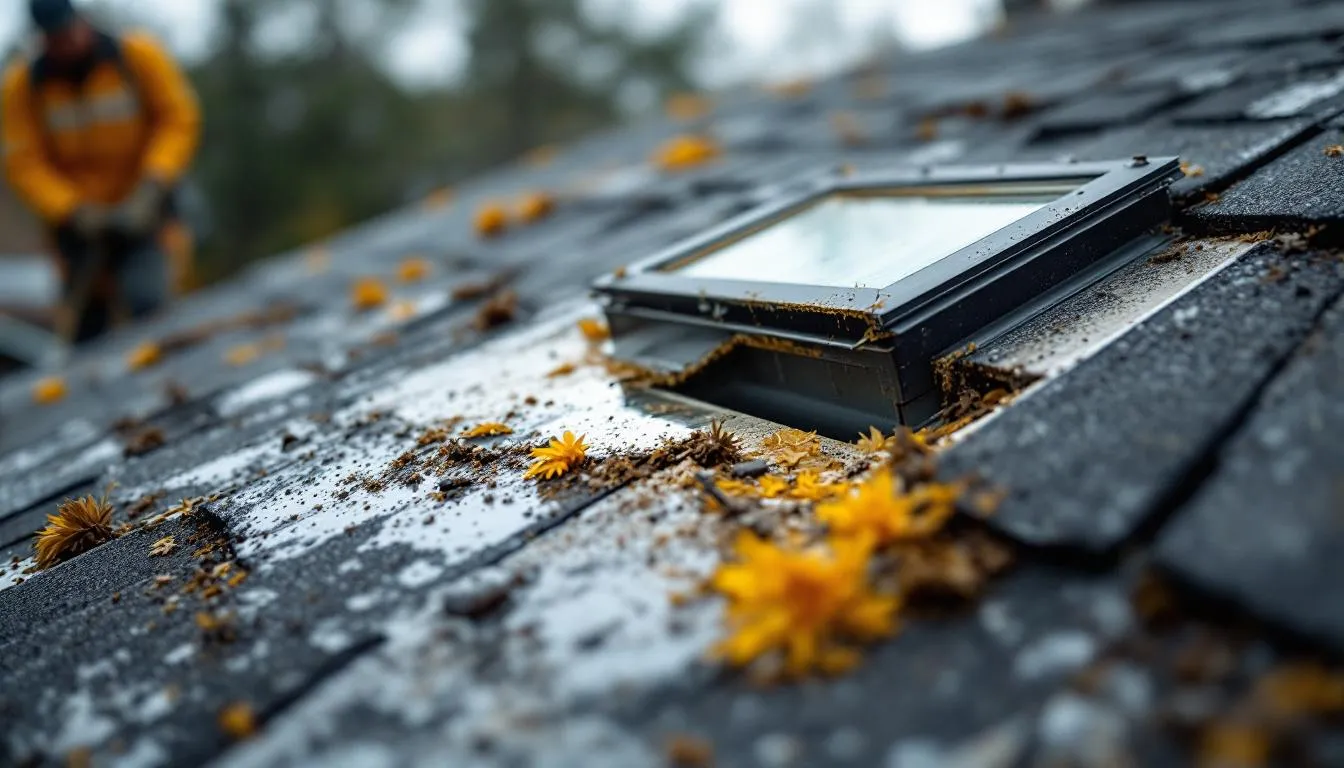
Skylights are popular in newer Raleigh neighborhoods and in renovated homes in places like Five Points and Boylan Heights. They are also one of the harder details to keep watertight on any roof. Raleigh's intense summer UV breaks down the rubber gaskets and sealant around skylight frames faster than the surrounding shingles wear out. Skylight leaks often travel along ceiling drywall before you see a stain, so the damage is usually worse than it looks.
Raleigh Roof Repair Pros helps Raleigh, NC homeowners fix skylight leaks and seal failure — call for a free inspection.
Quick Answer
Raleigh's strong UV breaks down the rubber seals around skylight frames, and once that seal goes, water sneaks in and travels along the ceiling before you notice it. A roofer reseals or replaces the flashing around the frame and checks the gaskets. Call (984) 500-1173 if you see any water stains near your skylight, even a small one.
Telltale Signs
Warning Signs to Watch For
- Water staining or drips appearing on the ceiling or wall near a skylight after rain
- Visible fogging, condensation, or moisture between double-pane skylight glazing panels
- Cracked, shrunken, or absent sealant visible around the skylight curb or frame
- Bubbling or peeling paint on the interior ceiling surrounding the skylight
- Daylight or drafts detectable around the interior skylight trim or frame
- Rust streaking visible on the exterior skylight frame or surrounding flashing
Root Causes
What Causes Skylight Leaks and Seal Failure?
Curb Flashing Deterioration
Raleigh's summer UV index is among the highest in the Southeast Atlantic states. The flashing is the metal strip that wraps the base of the skylight where it meets the roof. After 10 to 15 years, the sealant turns brittle and cracks. The flashing pulls away from the curb and rain runs straight down into the ceiling.
The Fix
Skylight Curb Flashing Replacement
The old flashing kit comes completely off and the curb is checked for rot. A new flashing kit is installed with proper step-and-counter-flashing into the shingles and sealed with a flexible sealant rated for Raleigh's temperature range.
Failed Glazing Seal or Cracked Dome
Raleigh's climate swings between winter lows near 20°F and summer glazing surface temperatures that can exceed 130°F. That cycling puts constant stress on the IGU, which is the sealed dual-pane glass unit inside the skylight frame. Eventually the edge seals fail and moisture gets between the panes. Polycarbonate domes can develop tiny cracks that let water in directly.
The Fix
Skylight Glazing Unit Replacement or Full Skylight Replacement
Failed IGU units are replaced with new argon-filled dual-pane glazing matched to the existing frame. If the dome has structural cracking, the whole skylight unit is replaced with a current model that meets NC Energy Code requirements for solar heat gain coefficient.
Condensation from Interior Humidity
Raleigh's muggy summers push indoor humidity high, especially in homes without proper dehumidification. Condensation forms on the inside of skylight glazing during shoulder seasons when cold nights follow warm, humid days. That water runs down the interior frame and soaks the drywall, but it often gets blamed on an outside leak when it is coming from inside the house.
The Fix
Interior Skylight Insulation and Humidity Control
The skylight well is inspected and air-sealed at the ceiling perimeter. Insulation is added around the curb in the attic space to raise the interior surface temperature above the dew point. The home's humidity levels are also assessed to find and address the source of excess indoor moisture.
Self-Diagnosis
Which Cause Applies to You?
Check the signs you're observing to narrow down the likely root cause before your inspection.
| What You're Seeing | Curb Flashing Deterioration | Failed Glazing Seal or Cracked Dome | Condensation from Interior Humidity |
|---|---|---|---|
| Water dripping at the curb base during or immediately after rain events | |||
| Fogging or cloudiness visible between the two panes of a fixed skylight | |||
| Ceiling staining appears only in cold mornings after warm humid nights | |||
| Exterior flashing lifted or separated visible from a ladder inspection | |||
| Cracked or yellowed polycarbonate dome surface visible from the roof | |||
| Dripping at skylight frame only in winter, not during summer storms |
Free Quote
Get a free quote in Raleigh
No obligation — tell us what's going on and we'll text you back shortly.
Other Problems
Services That Fix This
Skylight Leaks and Seal Failure Near You
Also Helpful